
Views: 0 Author: Site Editor Publish Time: 2026-07-11 Origin: Site
Upgrading fenestration represents a significant capital expense for property owners. You must carefully balance the desire for maximum daylight and fresh air against strict constraints around spatial limitations, energy efficiency, and structural resilience. Sliding Windows solve this complex equation by offering a highly specific functional profile. They maximize glass-to-frame ratios and enable variable horizontal airflow without protruding into exterior or interior spaces.
This article provides an objective, engineering-focused evaluation of how these units alter indoor environments. We will compare them directly to alternative window types so you can understand the exact mechanics at play. Finally, we will outline the precise criteria you need for a confident, fully informed purchasing decision.
Light Optimization: Narrow vertical profiles and large glass panes maximize natural light, though Low-E coatings are required to manage resulting solar heat gain.
Airflow Dynamics: Horizontal operation allows precise, variable ventilation control and facilitates highly efficient cross-ventilation when positioned correctly.
Space Efficiency: The non-protruding design makes them the only viable choice for high-traffic adjacent areas (patios, walkways).
Resilience & Security: Modern iterations, including hurricane impact sliding windows, resolve historical weaknesses regarding track vulnerability and wind loads.
Purchase Criteria: The long-term ROI of sliding windows relies heavily on track hardware quality, precise installation leveling, and material selection (UPVC vs. thermally broken aluminum).
The fundamental advantage of a horizontal glider lies in its physical structure. Traditional double-hung windows rely on thick horizontal meeting rails. These rails sit directly at eye level and disrupt sightlines. Gliders operate side-to-side. They eliminate intrusive horizontal muntins and minimize the required number of vertical stiles. This structural efficiency yields an exceptional frame-to-glass ratio. You get expansive, uninterrupted views and maximum daylight penetration.
Increased natural light dramatically transforms the aesthetic and spatial perception of any room. When daylight reaches deeper into an interior space, it physically illuminates darker corners. It essentially tricks the human eye. The perceived volume of the room expands. A cramped living area instantly feels larger and more inviting. This bridges the critical gap between raw functional performance and sophisticated interior design.
However, we must acknowledge a transparent engineering trade-off. More glass surface area translates directly to more potential heat transfer. You cannot simply install massive glass panes without addressing thermal dynamics. Unfiltered sunlight introduces high levels of solar heat gain. This forces your HVAC system to work much harder during summer months. To prevent this, you must pair large sliding units with Low-E (low-emissivity) glass coatings. These microscopic metallic layers reflect infrared heat away from the building envelope while allowing visible light to pass through. Additionally, incorporating argon gas fills between double or triple panes neutralizes conductive heat transfer. This ensures your newly lit space remains thermally efficient.
Granular airflow control forms the core functional benefit of horizontal sashes. Unlike outward-swinging designs, you can slide a sash open just half an inch. This creates a controlled micro-draft for fresh air during cooler weather. You can also slide it completely open to expose half the total window area. Because the sash moves strictly along a horizontal track, it never catches unpredictable exterior wind gusts. This protects the hardware from sudden slamming and gives you absolute control over indoor air circulation.
When you engineer cross-ventilation, horizontal gliders become highly effective mechanical tools. Proper placement drives this efficiency. You should position them on opposite or adjacent walls within a single zone. This layout creates natural pressure differentials. As wind hits the exterior of your building, it creates high pressure on the windward side and low pressure on the leeward side. Opening gliders on both sides naturally pulls fresh air indoors while aggressively exhausting stale air. This passive cooling technique drastically reduces your reliance on mechanical air conditioning.
We must also establish an objective mechanical limitation. To set realistic expectations, understand that gliders generally only allow 50% of their total area to open at any given time. One sash must always overlap the other. Casement windows, by contrast, open completely to expose 100% of the opening. However, gliders often span much wider rough openings than casements. Therefore, the actual cubic feet per minute (CFM) of airflow moving through a large, half-open glider frequently exceeds the airflow of a smaller, fully open casement.
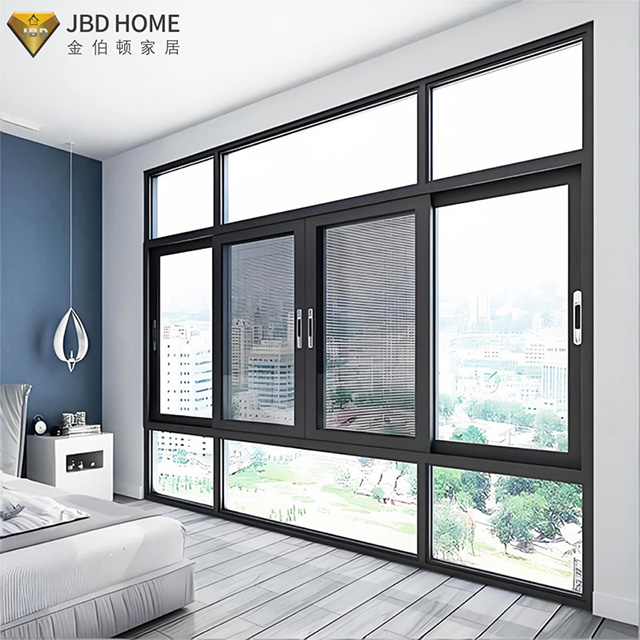
Choosing the correct fenestration requires understanding how different mechanisms interact with your specific architecture. The primary differentiator always comes down to exterior space constraints. Gliders do not swing outward. They remain entirely flush with the wall. This makes them mandatory for any area facing a narrow walkway, a high-traffic deck, or dense exterior landscaping. Outward-swinging sashes create dangerous collision hazards in these specific zones.
Let us look at a direct comparison chart to clarify these operational differences.
Feature Category | Sliding Windows | Casement Windows | Awning Windows |
|---|---|---|---|
Operation Axis | Horizontal Track | Side Hinged (Outward) | Top Hinged (Outward) |
Space Requirement | Zero exterior clearance needed | Requires full exterior swing path | Requires partial exterior swing path |
Ventilation Efficiency | Variable control; max 50% open area | Catches parallel breezes; 100% open area | Blocks direct rain; drafts enter from bottom |
Sealing Mechanism | Interlocking weatherstripping | Compression seal against frame | Compression seal against frame |
Ventilation efficiency changes based on the window style. Casements act like sails. They catch breezes moving parallel to your exterior walls and funnel them indoors. Awnings act like small roofs. They allow you to maintain ventilation during light rainstorms. Gliders provide straightforward, wide-aperture airflow but lack the rain-deflecting geometry of an awning.
We must also address weather sealing realities. Casements and awnings utilize compression seals. When you lock them, the sash pulls tightly against the weatherstripping. Historically, gliders relied solely on sliding friction seals, making them susceptible to minor air leaks. Today, high-performance gliders mitigate this gap. They utilize advanced fin seal weatherstripping and deeply interlocking meeting rails. When fully closed and locked, these modern components create a highly resistant barrier against air infiltration.
Your material selection dictates the lifespan, maintenance schedule, and structural integrity of the frame. The industry primarily relies on two dominant materials: UPVC (unplasticized polyvinyl chloride) and Aluminum.
UPVC: This material offers superior thermal insulation. It naturally resists heat transfer and requires almost zero maintenance. It will never corrode, rot, or pit. However, UPVC frames typically require thicker extrusions to support heavy glass loads, slightly reducing your glass-to-frame ratio.
Aluminum: Aluminum delivers unmatched structural rigidity. Manufacturers can extrude incredibly thin profiles, maximizing your view and light penetration. Standard aluminum conducts heat rapidly, making it inefficient. Therefore, you must specify thermally broken aluminum. This process inserts a polyamide structural barrier between the interior and exterior metal surfaces, completely stopping thermal bridging.
For coastal properties or high-velocity wind zones, extreme weather dictates specialized engineering. Upgrading to Hurricane impact sliding windows is essential for compliance with stringent building codes. These advanced units feature laminated impact glass. A tough polyvinyl butyral (PVB) interlayer bonds two glass panes together. If struck by flying debris, the glass shatters but remains entirely adhered to the interlayer. The building envelope stays intact. They also utilize heavy-duty reinforced frames and structural silicone glazing to prevent blowouts under massive wind pressures.
Security features have also evolved dramatically. Older gliders suffered from a reputation for vulnerability. Intruders could easily pry them open or lift the sashes entirely out of their tracks. Modern units integrate sophisticated multi-point locking mechanisms. These hardware systems engage the jamb at several different points simultaneously with a single turn of the handle. Additionally, manufacturers now install concealed anti-lift blocks inside the upper tracks. These rigid stops make it physically impossible to remove the closed sash from the exterior.
Evaluating window quotes requires a methodical approach. The long-term return on your investment relies heavily on hidden mechanical components and precise installation practices. Follow this checklist to filter out low-quality products.
Hardware and Track Quality: The lifespan of a glider is dictated by its rollers and its track design. Warn your contractor against cheap monorail plastic tracks. They degrade quickly under heavy sash weight. Instead, mandate tandem nylon rollers or precision brass wheels. These premium rollers distribute the glass weight evenly and ensure decades of smooth, frictionless operation.
Implementation Risks: Even the most expensive window will fail if installed incorrectly. Emphasize the absolute necessity of precise, plumb installation. A rough opening installed even slightly out-of-square creates immediate problems. It will result in binding tracks, premature roller wear, and inevitable seal failure. Ensure your installer uses laser levels and proper shimming techniques.
Warranty and Support: Define what a credible warranty actually covers. Do not accept vague lifetime claims. A robust manufacturer warranty should guarantee insulated glass unit (IGU) seals for at least 10 to 20 years to protect against internal condensation. It should also cover moving hardware components, like rollers and locks, for the lifetime of the product.
Shortlisting Logic: Never base your decision on a single estimate. Recommend obtaining three distinct quotes. Demand that each quote specifically itemizes glass performance ratings. You need to see the exact U-Factor (measuring insulation) and the exact SHGC (measuring solar heat gain). Do not accept quotes that only list basic physical dimensions and brand names.
Sliding units represent a highly optimized solution for maximizing daylight and fresh air without sacrificing valuable floor space. Their flush, horizontal operation proves essential for tight exterior walkways and high-traffic patio zones. While they face a mechanical limitation regarding total open area, their expansive sizing capabilities routinely deliver superior overall airflow volumes. Modern engineering has systematically eliminated historical flaws, replacing drafty tracks and weak locks with deep interlocking rails and impact-resistant frames.
Your next step requires careful site assessment. Measure the exterior clearance around your current window openings to confirm outward-swinging sashes are actually viable. If space is tight, gliders are your definitive answer. Assess your local wind loads and solar exposure. Finally, request detailed, material-specific quotes for both UPVC and thermally broken aluminum from certified installation professionals.
A: Yes, they are mechanically limited to a maximum 50% open area because one sash must slide over the other. However, because these units are typically installed in much larger rough openings than casements or double-hung windows, their sheer size often yields a higher total volume of airflow.
A: The integrated laminated glass layers and reinforced frames do significantly increase the sash weight. Fortunately, manufacturers offset this extra mass by installing premium tandem roller systems. These heavy-duty rollers ensure smooth, low-friction operation, making the panels easy to slide despite their weight.
A: Maintenance requires regular vacuuming of the lower track to remove dirt and dead insects that cause roller friction. After cleaning, apply a dry silicone-based lubricant to the track. Never use heavy oil-based lubricants like WD-40, as they actively attract and trap grit, degrading the rollers over time.
A: While they lack the tight compression seals found on casements, modern gliders perform exceptionally well. They utilize interlocking meeting rails and advanced fin seal weatherstripping. When fully locked, these components actively pull the sashes together, minimizing air infiltration to strict, industry-compliant levels.


