
Views: 0 Author: Site Editor Publish Time: 2026-07-09 Origin: Site
Homeowners and builders constantly face a delicate balancing act during new construction or remodeling. You want expansive glass and modern aesthetics. However, you must also respect functional spatial limitations. Traditional window designs often demand significant swing clearance. This requirement disrupts outdoor walkways or crowds interior rooms. Ignoring this detail can easily ruin the structural flow of your house. It makes everyday tasks feel unnecessarily cramped and frustrating.
This guide moves beyond basic product definitions. We show you exactly where these specific fixtures provide the highest return on usability and lifestyle improvement. We provide a transparent, evidence-based framework for evaluating, placing, and specifying them. You will learn how to leverage their unique horizontal design. Best of all, you can implement these solutions without compromising your home security or overall energy efficiency.
Spatial Efficiency: Sliding windows eliminate inward/outward clearance requirements, making them ideal for high-traffic zones and exterior walkways.
Strategic Placement: Best utilized over kitchen sinks, in narrow hallways, and in wide architectural openings where vertical windows disrupt sightlines.
Evaluation Criteria: Decisions should hinge on framing material durability, track maintenance realities, and localized thermal performance requirements.
Security Realities: Modern implementations require secondary ventilation locks and anti-lift blocks to mitigate historic vulnerabilities associated with horizontal tracks.
To understand the value of this design, you must look at the operational mechanics. The sashes glide seamlessly on a dedicated track. They do not pivot outward on side hinges like a casement window. They also do not move vertically like a traditional double-hung unit. You simply push or pull the sash laterally to control your airflow. This straightforward mechanism delivers immense practical value for modern architecture.
The primary design advantage is the absolute zero-clearance requirement. You do not need any swing space inside or outside the house. You can place furniture right up against the interior wall. Outside, you can plant shrubs close to the exterior frame. The sash remains entirely within the wall envelope during operation.
Weight distribution provides another massive structural benefit. Horizontal sliding windows support much larger and heavier glass panes than vertical sashes. The entire weight of the glass rests directly on the solid bottom track. Gravity works in your favor here. It prevents the sagging often seen in oversized hinged units over time.
Finally, consider the ergonomic advantages. The simple push-and-pull mechanics make operation incredibly easy. Individuals possessing limited reach or mobility find them highly accessible. You just need to ensure the tracks remain completely free of dirt and debris to maintain this effortless glide.
Placing windows strategically transforms how you interact with your living space. Certain rooms benefit disproportionately from lateral operation.
You often face ergonomic challenges in the kitchen. Reaching over deep granite counters or farmhouse sinks to crank a casement is difficult. Lifting a heavy double-hung sash from an awkward angle strains your back. The gliding operation solves this completely. It allows for effortless, one-handed opening. You maintain full control over kitchen ventilation while standing comfortably at the sink.
Out-swinging sashes pose a genuine hazard on decks and patios. They obstruct narrow pathways and create dangerous collision risks for walking guests. Flush exterior profiles eliminate this danger entirely. They maintain safe, unobstructed outdoor traffic flow. You can comfortably entertain outdoors without dodging open glass panes.
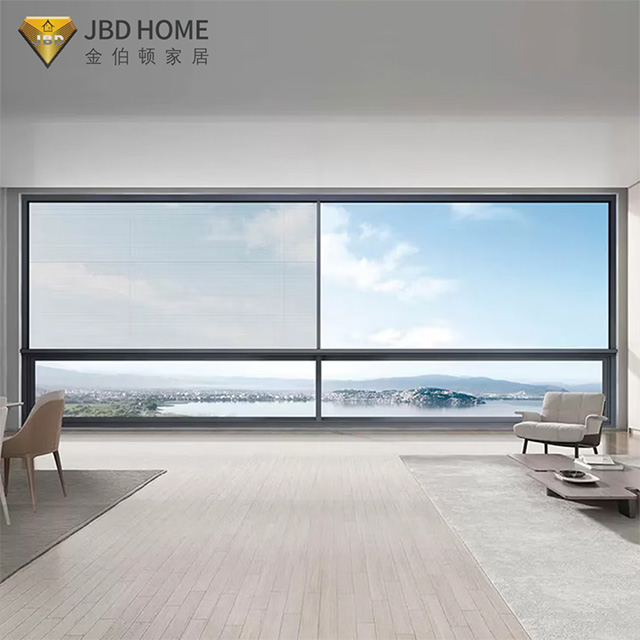
Vertical window frames can make low-ceiling rooms feel uncomfortably cramped. They interrupt the horizontal visual flow. Wide aspect ratios fix this visual imbalance. They maximize panoramic landscape views and bring in abundant natural light. This strategy works exceptionally well in mid-century modern restorations or contemporary ranch builds.
You must always verify your local building codes regarding emergency escapes. However, lateral designs often meet strict egress requirements much more easily than double-hung alternatives. They provide the necessary minimum opening width and height in wide, shallow basement wells. They serve as excellent, life-saving safety features for below-grade sleeping areas.
You must weigh several performance factors when choosing between lateral gliders and traditional alternatives. Understanding the inherent compromises helps you make an informed decision for your climate.
You should acknowledge a slight difference in air leakage rates. Casement styles use a tight compression seal when locked. Gliders rely primarily on weatherstripping along the tracks. This difference historically resulted in minor drafts. However, you can easily mitigate this gap today. Specify high-quality interlocking meeting rails. Demand dual weatherstripping systems. These features lock out cold air and drastically improve overall thermal performance.
Consider the limits on total airflow. Sliders typically only allow 50% of the total window area to open. A casement opens fully to provide 100% ventilation. You must evaluate this trade-off carefully. Often, the much larger overall size of the gliding unit compensates for the reduced opening percentage. You still achieve massive volumes of fresh air.
Budget allocation remains a crucial part of project planning. Gliding units generally present a highly favorable value-to-size ratio per square foot. Filling a massive architectural opening with multiple mulled casement units requires complex structural support. A single large glider fills that same void efficiently. It delivers expansive views while keeping structural complexity low.
Feature | Horizontal Slider | Casement Window | Double-Hung Window |
|---|---|---|---|
Clearance Needed | Zero | High (Outward) | Zero |
Max Ventilation | 50% of opening | 100% of opening | 50% of opening |
Size Capacity | Excellent (Wide) | Moderate | Good (Vertical) |
Weather Seal | Weatherstripping | Compression | Weatherstripping |
Many homeowners express valid concerns about the security of horizontal tracks. Historically, intruders found it easy to pry open or lift older sashes right out of the frame. You must acknowledge this historical vulnerability. However, modern engineering has completely transformed their security profile.
You should absolutely insist on specific security features before shortlisting any product. Look for these critical enhancements:
Anti-lift blocks: These clever devices sit inside the upper track. They physically prevent anyone from levering the sash up and out of the frame from the outside.
Multi-point locking systems: Single latches no longer suffice. Modern hardware secures the sash firmly at both the top and the bottom of the meeting rail simultaneously.
Ventilation stops (Night locks): These pop-out tabs allow the window to lock firmly in a partially open position. You can leave the glass open 2-3 inches for safe, continuous airflow overnight.
Privacy glass integration offers another vital layer of security. Ground-floor bathrooms or street-facing rooms expose your daily routines to neighbors. Evaluate obscured or frosted glass options. They let brilliant sunlight pour into the room while completely blocking exterior visibility. You secure both your physical perimeter and your personal privacy.
Every architectural feature requires some upkeep. Lateral gliders demand specific, targeted maintenance to prevent long-term degradation. Ignoring the tracks guarantees eventual operational failure.
Dirt, pet hair, dead insects, and moisture inevitably gather in the bottom track. This debris severely degrades the rollers and impedes smooth operation over time. You must implement a strict seasonal cleaning routine. Vacuum the tracks thoroughly every few months. Apply a dry, silicone-based or PTFE dry lubricant. Never use standard wet oils like WD-40. Wet lubricants instantly attract and trap abrasive dirt.
Look closely at the exterior bottom edge of the frame. You will see small drainage slots called weep holes. You must keep these exterior weep holes entirely clear of debris. If they clog, rainwater pools inside the track. This pooling water eventually intrudes into your interior drywall. In colder climates, trapped water freezes, expands, and cracks the frame.
Not all hardware is created equal. You must differentiate between cheap plastic rollers and premium alternatives. Plastic wheels quickly develop flat spots under the heavy weight of modern glass. They cause the sash to drag and grind. Always demand durable brass rollers or tandem nylon rollers. These upgraded components are absolutely required to handle the immense weight of heavy double or triple-pane glass packages.
Choosing the right materials dictates the lifespan of your installation. You must match the frame and glass to your specific environment.
Vinyl: This remains a highly cost-effective and low-maintenance option. However, it is susceptible to expansion and contraction in extreme climates. Large vinyl frames can warp under intense sun exposure.
Fiberglass: This material offers superior structural rigidity. It easily handles massive horizontal spans without bowing. It resists warping perfectly and mimics the look of painted wood.
Aluminum: Choose this for ultra-modern, incredibly thin sightlines. It maximizes the viewing area. However, it absolutely requires built-in thermal breaks to prevent severe winter condensation on the interior metal.
You must match your glass package to your specific geographic climate zone. Look for ratings certified by the National Fenestration Rating Council (NFRC). Pay attention to the Solar Heat Gain Coefficient (SHGC) and the U-Factor. Use Low-E (low-emissivity) coatings and Argon gas fills between the panes. These advanced glazing technologies offset the slightly lower inherent energy efficiency of the sliding tracks. They keep your home cool in summer and warm in winter.
Before you commit to a purchase, take a few practical steps. First, measure the rough opening width versus the height. If the width is greater than the height, the opening strongly favors Sliding Windows. Second, consult a licensed installer to verify strict egress code compliance for all sleeping areas. Finally, visit a showroom. Request physical track operation demonstrations before purchasing. Feel the glide yourself. Heavy, grinding operation in the showroom guarantees misery in your home.
Horizontal gliders represent far more than just a budget-friendly building material. They serve as a highly targeted architectural solution for wide openings and space-restricted zones. They effortlessly eliminate swing clearance issues while supporting massive, heavy panes of glass. They transform cramped kitchens and safeguard narrow exterior walkways.
Successful implementation requires careful attention to detail. You must prioritize high-quality track rollers, advanced security hardware, and appropriate framing materials over mere aesthetic appeal. A cheap frame with plastic rollers will frustrate you daily. Conversely, a well-engineered unit with brass rollers and anti-lift blocks will provide decades of smooth, secure operation.
Take action on your home improvement journey today. Schedule a professional site evaluation. An expert can definitively determine if these lateral fixtures align with your home’s structural flow, daily ergonomic needs, and long-term energy goals.
A: They can be slightly less efficient due to their design. Casements use a compression seal that locks tightly against the frame. Gliders rely on weatherstripping along the tracks, which can allow minor air infiltration. However, specifying high-quality interlocking meeting rails and dual weatherstripping systems effectively mitigates this difference, providing excellent modern thermal performance.
A: Yes, they frequently serve as excellent egress solutions. They are especially popular in basement wells where vertical space is limited. The window must meet specific local building code requirements for minimum clear opening width, height, and total square footage. Always verify exact egress dimensions with your local building inspector before installation.
A: Cleaning upper-floor units requires specific hardware features. Many premium product lines feature lift-out sashes. You simply lift the entire moving pane up and out of the track to clean it safely indoors. Other advanced models feature tilt-in mechanisms, allowing you to wash the exterior glass without removing the heavy sash completely.
A: A single-slider features one fixed pane of glass and one operable sash that moves back and forth. A double-slider features two operable sashes. In a double-slider, both sides of the window can move independently along the tracks. This offers maximum flexibility for directing ventilation from either side of the room.


