
Views: 0 Author: Site Editor Publish Time: 2026-05-12 Origin: Site
Architects and homeowners frequently face a frustrating dilemma when designing premium entryways. You likely desire the authentic, warm aesthetic of natural wood. However, you also want to avoid the exhausting, high-maintenance reality of exterior exposure to sun and rain. Traditional solid wood requires constant sanding and sealing to survive harsh weather conditions.
An Aluminum-wood Door acts as the perfect engineered middle ground to solve this exact problem. It successfully decouples interior aesthetic charm from exterior weatherproofing demands. You get beautiful timber inside and an impenetrable metal shield outside.
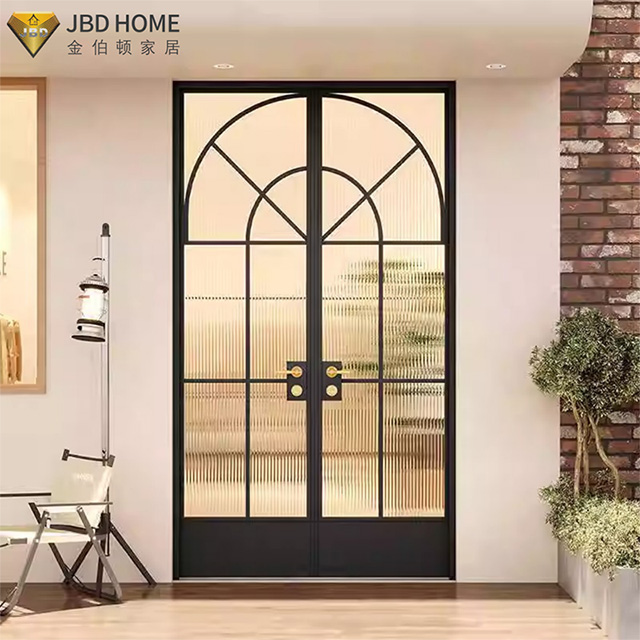
This article serves as a technical evaluation guide for your next architectural project. You will learn how to confidently differentiate between entry-level cladding and premium architectural-grade solutions. We will explore manufacturing secrets, cost drivers, and essential installation realities to ensure your investment lasts for decades.
Aluminum-clad wood doors combine a stain-grade solid wood interior with a protective aluminum exterior shield.
Premium options utilize thick, extruded aluminum (not rolled) and specialized spacing techniques to prevent condensation and wood rot.
While carrying a higher initial investment than vinyl or fiberglass, these doors deliver a 30-40+ year lifespan with superior thermal efficiency and minimal maintenance.
Operating styles range from traditional French hinges to massive modern multi-slide and lift-and-slide configurations.
Understanding door anatomy reveals why these hybrid systems perform so well. Manufacturers merge two radically different materials to exploit their respective strengths. The interior utilizes structural, stain-grade clear wood. Premium builders often select straight-grain species like Douglas Fir, Alder, or Mahogany. These woods inherently provide exceptional thermal insulation. They bring organic warmth and classic elegance directly into your living space.
The exterior side serves a completely different purpose. It functions as relentless armor. A high-quality Aluminum-wood Door shields your home against harsh UV rays, driving rain, and physical impacts. The metal casing takes the brunt of extreme weather. This dual-material approach ensures the delicate interior timber never experiences destructive environmental elements.
Industry professionals look closely at vapor diffusion when evaluating door quality. This invisible process separates cheap products from architectural-grade investments. Many entry-level manufacturers use a flawed technique called "direct adherence." They glue or press the metal cladding directly onto the timber core. You must aggressively avoid this manufacturing method.
Direct attachment traps moisture between the structural layers. Metal and wood expand at drastically different rates when temperatures fluctuate. This mismatch creates microscopic gaps. Humidity enters these spaces and condenses into liquid water. Because the metal seals the wood surface, trapped vapor cannot escape. Eventually, hidden internal rot destroys the entire frame from the inside out.
Top-tier manufacturers engineer a much smarter solution. They absolutely refuse to attach metal directly to wood. They utilize specialized polymer clips and spacing tracks. These fasteners create a vital micro-gap between the cladding and the timber core. The engineered gap allows the wood to breathe naturally. Constant airflow evaporates any intruding moisture safely. Furthermore, premium brands apply anodized or powder-coated finishes to all metal components before assembly. This comprehensive coating process prevents corrosion and guarantees long-term structural integrity.
Not all metal cladding offers the same protection. You must specifically check the manufacturing process of the exterior shield. The industry utilizes two primary methods: extrusion and roll-forming. Choosing the wrong type severely impacts durability.
Feature | Extruded Aluminum (Premium) | Rolled Aluminum (Entry-Level) |
|---|---|---|
Manufacturing Process | Heated metal forced through a shaped die. | Thin metal sheets bent over a core. |
Thickness | Significantly thicker (often 1.5mm to 2mm+). | Very thin (often under 0.5mm, similar to a soda can). |
Durability & Impact | Highly resistant to dents from hail or impacts. | Dents and scratches very easily. |
Structural Integrity | Adds actual rigidity to the door frame. | Purely cosmetic covering; zero structural benefit. |
Extruded aluminum acts as a structural exoskeleton. It withstands flying debris, errant golf balls, and severe hailstorms. Roll-formed aluminum merely wraps the wood for cosmetic color. It damages easily during routine installation or daily use.
Energy efficiency heavily dictates long-term satisfaction. Architects measure this efficiency using Uw-values (thermal transmittance). Lower numbers indicate better insulation. Specifying a premium system requires strict attention to glazing details.
Look for products integrating argon-filled triple glazing. Argon gas slows thermal transfer significantly better than regular air. Additionally, demand warm edge spacers between the glass panes. Traditional aluminum spacers conduct heat rapidly, causing perimeter condensation. Warm edge technology utilizes advanced polymers to break this thermal bridge. This combination ensures your door meets the strictest passive house or modern building codes.
Large format doors present potential security vulnerabilities. High-end systems address this through advanced hardware engineering. You should always specify multi-point locking systems. These mechanisms secure the door panel to the frame at three or more distinct locations simultaneously. They prevent intruders from easily prying the panel away from the jamb.
For maximum safety, pair multi-point locks with laminated safety glass. Unlike standard tempered glass, laminated panes contain a strong internal polymer interlayer. The glass holds together firmly even if shattered. When vetting options, look for European RC2-equivalent security standard certifications. The RC2 rating guarantees the unit withstands at least three minutes of aggressive forced entry using common burglar tools.
The exterior finish dictates ongoing maintenance requirements. Never accept standard wet-paint finishes on aluminum cladding. The sun will fade and blister liquid paint within a few years. Instead, highlight the absolute necessity of factory-applied powder coating or anodizing.
Powder coating fuses dry pigment directly to the metal under intense heat. This creates a remarkably tough, scratch-resistant skin. Anodizing uses an electrochemical process to thicken the natural oxide layer of the aluminum. Both methods offer extreme weather resistance. They also allow manufacturers to provide comprehensive color-fade warranties spanning decades.
We must transparently address pricing. An Aluminum-wood Door requires a substantially higher initial investment compared to basic vinyl or standard fiberglass options. However, evaluating the purchase strictly on upfront cost ignores financial reality.
Solid wood doors demand relentless upkeep. You must sand, seal, and repaint them every two to three years depending on sun exposure. Hiring professionals for this repetitive labor costs thousands over a decade. Premium clad doors eliminate this grueling cycle entirely. The exterior metal needs nothing more than a quick wipe down using mild soap and water twice a year. You recover the initial price premium simply by avoiding a decade of professional maintenance bills.
Your monthly utility bills directly reflect the quality of your exterior doors. Cheap sliding units leak conditioned air constantly. Advanced hybrid doors effectively stop thermal transfer.
The Wood Core: Natural timber acts as a massive thermal break. Heat struggles to penetrate dense wood fibers.
The Advanced Glazing: Triple-pane glass reflects solar heat outward during summer. It traps furnace heat inside during winter.
The Weather Stripping: Multiple continuous compression seals block drafts entirely.
This coordinated system drastically lowers your HVAC run times. Over a 15-year period, the cumulative energy savings generate a tangible return on your initial investment.
Standard entry doors typically degrade noticeably within 15 years. Vinyl warps under intense sun. Fiberglass fades. Pure wood inevitably rots if neglected. Conversely, premium aluminum-clad units carry a life expectancy of 30 to 40+ years.
Appraisers view these installations as permanent capital improvements. They drive high resale value in competitive real estate markets. Modern homebuyers actively seek low-maintenance, high-efficiency features. This rings especially true in extreme climate zones. If you live in a coastal area with driving rain or a desert environment with blistering UV indexes, clad doors protect your home's structural integrity while boosting its overall market appeal.
Manufacturers tailor these doors to fit highly specific architectural aesthetics. You do not have to sacrifice historical accuracy for modern performance. If you own a historic property, specify traditional profiles. These options feature wider stiles, prominent bottom rails, and historical putty profiles. The glass stops mimic the angled, hand-glazed look of 19th-century millwork.
If you prefer modern minimalism, request contemporary sightlines. Manufacturers achieve this by engineering exceptionally narrow frames. They utilize pure 90-degree square profiles on both the interior wood and exterior aluminum. This flat, flush design maximizes the glass viewing area. It complements clean, geometric architectural lines flawlessly.
The inherent strength of extruded metal combined with rigid timber allows manufacturers to build massive, sweeping door systems. You can scale the material to fit almost any architectural transition.
Swinging & Bi-Fold: Standard swinging French doors fit classic patio applications beautifully. Bi-fold systems allow multiple connected panels to fold and stack neatly against the wall. They open entire rooms to the outdoors quickly and elegantly.
Multi-Slide & Pocketing: These systems seamlessly eliminate architectural boundaries. Massive panels slide independently on recessed tracks. Pocketing configurations allow the panels to disappear completely inside the adjacent wall cavities.
Lift and Slide: Heavy triple-glazed wood panels weigh hundreds of pounds. Traditional sliding tracks quickly grind down under this immense pressure. Lift and slide mechanisms solve this beautifully. Turning the handle mechanically lifts the massive door panel up off the weather seals onto specialized wheeled carriages. You can push a 500-pound door using just one finger. When closed, the handle drops the panel back down, crushing the seals to create a remarkably airtight and watertight vault.
Even the most expensive, perfectly engineered door will fail catastrophically if installed incorrectly. The ongoing performance of a high-end Aluminum-wood Door depends entirely on the installation contractor's skill.
Poor flashing integration represents the most common failure point. Installers must properly utilize sill pan flashing and waterproof membranes. If they fail to integrate the door frame into the home's water-resistive barrier, water will bypass the cladding and rot the structural wall framing. Unlevel rough openings also cause severe issues. If the frame twists even a fraction of an inch, the multi-point locks will bind. Furthermore, the specialized compression weather stripping will gap, destroying the thermal efficiency.
You must respect the immense weight of these products. Combining solid hardwood, heavy extruded aluminum, and three layers of glass creates a massive dead load.
Standard residential framing headers often sag under this extreme weight over time. You must consult a structural engineer before widening an opening for a multi-slide or lift-and-slide unit. The wall might require upgraded laminated veneer lumber (LVL) or dedicated steel beams to prevent the roof load from crushing the door track. Specialized, heavy-duty hardware is non-negotiable. Standard hinges will inevitably bend and fail.
Protect your investment by vetting manufacturers and local contractors aggressively. First, request physical corner samples from your top brands. Inspect the metal thickness personally. Verify the micro-gap spacing mechanism exists.
Next, scrutinize the warranty terms explicitly regarding the cladding finish and glass seal failure. Check the manufacturer's historical performance in your specific climate zone. A door built for dry desert heat might fail in a humid coastal hurricane zone. Finally, ensure the manufacturer provides certified local installers. Factory-certified crews understand the specific flashing protocols and intricate hardware adjustments these premium systems demand.
Aluminum-clad wood doors offer an entirely uncompromised value proposition. They brilliantly blend the authentic, organic aesthetic of interior timber design with the rugged, low-maintenance durability of a metal exterior. You no longer have to choose between beauty and practicality.
To move forward confidently, focus on these actionable next steps:
Demand thick, extruded aluminum over cheap roll-formed alternatives.
Verify the manufacturer utilizes a spaced mounting system to prevent trapped moisture.
Prioritize advanced security hardware and thermal-efficient triple glazing.
Hire only factory-certified installers capable of handling massive system weights.
Your next step is simple. Contact trusted manufacturers to request physical corner samples. Inspect the extrusion thickness and spacing mechanisms up close. Schedule a professional consultation to discuss your specific project U-value requirements and match the perfect architectural style to your home.
A: Typically 30-40+ years depending on your local climate and proper initial installation. Because the protective metal shield prevents UV and water damage, they vastly outlast standard pure wood doors in highly exposed outdoor environments.
A: Yes, but it is minimal. The interior wood requires standard dusting or occasional furniture polishing. The exterior aluminum is incredibly low-maintenance. It usually only requires periodic cleaning twice a year using mild soap and water to remove surface dirt and environmental debris.
A: Yes, unequivocally. Extruded aluminum is significantly thicker and structurally robust. It provides actual rigidity to the door frame and offers high resistance to dents, scratches, and extreme weather. Conversely, rolled aluminum is extremely thin, delicate, and purely cosmetic.


