
Views: 0 Author: Site Editor Publish Time: 2026-05-11 Origin: Site
Have you ever stood before a stunning entryway and wondered what makes it last? Selecting between wood and aluminum doors is rarely a simple aesthetic choice. It requires balancing architectural intent, long-term climate exposure, maintenance tolerance, and structural demands. You cannot simply pick a door based on looks alone.
Homeowners and architects often feel forced into a difficult compromise. They must choose between the timeless warmth of natural timber and the low-maintenance durability of modern metals. This dilemma can delay construction schedules. It can also lead to costly future regrets if the wrong material fails in a harsh climate.
This guide evaluates both materials across performance, Total Cost of Ownership (TCO), and security factors. We will also introduce the hybrid Aluminum-wood Door as a viable, compromise-free alternative. Read on to discover which solution best aligns with your long-term property goals.
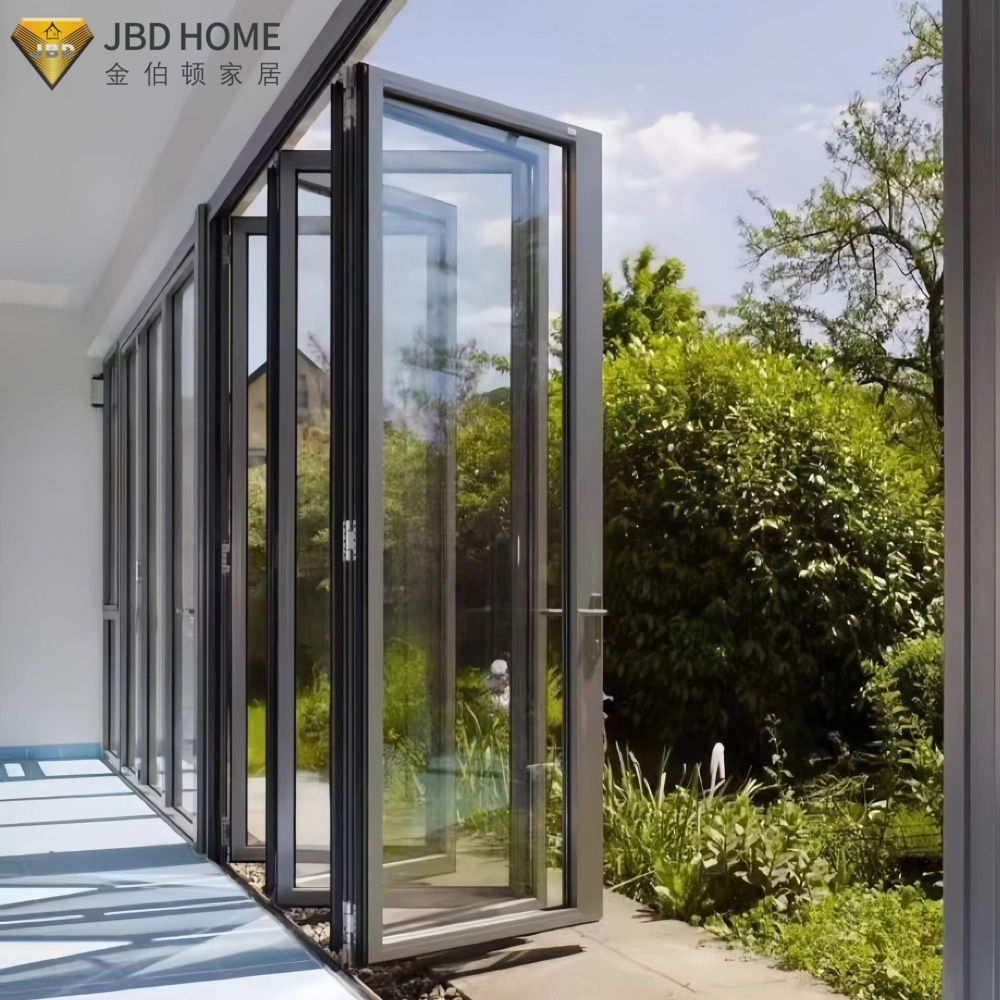
Durability vs. Upkeep: Aluminum offers unparalleled dimensional stability and weather resistance, whereas wood requires consistent, ongoing maintenance to prevent warping and rot.
Thermal Performance: Wood is a natural insulator, but modern thermally broken aluminum can match or exceed it, achieving Passive House standards (U-values < 1.0 W/m²K).
Total Cost of Ownership (TCO): While premium wood doors often carry higher initial and lifetime maintenance costs, powder-coated aluminum delivers a lower TCO.
The Hybrid Advantage: An aluminum-wood door combines an external weather-resistant aluminum shield with an internal timber facade, optimizing both aesthetics and longevity.
Security Reality: Door strength relies more on the locking mechanism (e.g., 5-lever mortice deadlocks) and frame rigidity than the base material itself.
Every building material carries inherent strengths and physical limitations. We must evaluate these properties objectively before making a long-term architectural commitment. Let us compare the traditional standard against the modern engineered solution.
Wood remains a highly desirable material for residential architecture. It provides excellent natural insulation and soundproofing. This stems from its dense, fibrous cellular structure. Wood cells trap microscopic pockets of air. These air pockets naturally block thermal transfer and dampen street noise.
However, wood suffers from significant environmental reactivity. Changes in humidity and temperature cause natural timber to expand and contract constantly. Over time, this movement causes several structural problems. Doors begin binding in their frames. They stick during humid summers. Sometimes, the wood panels even crack during dry winters. Furthermore, structural limitations dictate thicker frames. If you want heavy double-glazing, a wood frame must be quite bulky to support the glass weight.
Aluminum represents a massive leap in material engineering. It features an exceptional strength-to-weight ratio. The metal has a density of just 2.7 g/cm³. This incredible lightness allows manufacturers to design ultra-slim sightlines. You can install massive glass spans without worrying about the frame sagging over time.
The material remains highly stable. It does not absorb moisture. It never warps or rots. This stability ensures sliding tracks and folding mechanisms remain smooth for decades. Historically, aluminum performed poorly at insulating buildings. It transferred cold outside air directly inside. However, modern iterations solve this completely. Engineers utilize polyamide thermal breaks within the frame. These tough plastic strips interrupt heat transfer effectively.
To summarize the fundamental differences, we can look at the baseline material properties below:
Property | Natural Wood | Thermally Broken Aluminum |
|---|---|---|
Dimensional Stability | Low (Reacts to humidity) | Excellent (Zero moisture reaction) |
Strength-to-Weight | Moderate | Exceptionally High |
Frame Profile Width | Thick / Bulky | Ultra-slim / Minimalist |
Native Insulation | High | Low (Requires thermal breaks) |
Frame evaluation must extend far beyond the initial purchase price. You must account for a 15-to-30-year maintenance lifecycle. Many homeowners regret buying cheap materials when hidden upkeep costs begin compounding. Let us examine the true TCO drivers for both options.
Wood requires active maintenance cycles. You cannot simply install it and walk away. Depending on sun and moisture exposure, exterior wood needs attention every one to three years. You must sand down the surface. Then, you must apply fresh sealant, varnish, or paint. This labor costs time and money.
Wood also carries hidden long-term costs. You might face potential repairs for wet rot. Termite damage poses a severe threat in warmer climates. Additionally, as the wooden frame shifts and swells, you often need professional hardware adjustments to keep the locks aligned.
Aluminum operates as a virtually maintenance-free solution. It requires only periodic cleaning using non-abrasive agents and water. You wipe it down twice a year. That is the entire maintenance routine.
Manufacturers use factory-applied electrostatic powder coating. They bake this finish onto the metal at extremely high temperatures. This process offers superior UV resistance. It produces zero VOC emissions during application. Unlike standard house paint, powder coating remains immune to peeling, flaking, or blistering. Finally, aluminum is 100% recyclable at the end of its lifespan. This recovers a significant portion of its environmental footprint and carbon cost.
The chart below illustrates a standard 15-year lifecycle cost projection:
Cost Phase | Premium Solid Wood Door | Powder-Coated Aluminum Door |
|---|---|---|
Initial Investment | High | Moderate to High |
Year 1-5 Maintenance | Sanding & Resealing ($$) | Basic Cleaning ($0) |
Year 5-10 Upkeep | Repainting & Hardware Adjustments ($$$) | Basic Cleaning ($0) |
Year 15 Condition | May require localized rot repair | Retains original structural integrity |
Overall TCO | Highest | Lowest |
What if you refuse to compromise? You want the rich texture of natural oak inside your living room. However, you also need to survive brutal coastal storms outside. This exact dilemma drove engineers to create composite systems.
A composite system is designed to deliver the best of both categories without the inherent compromises. Industry professionals often call them "wood-clad aluminum" or "aluminum-clad wood" systems. An Aluminum-wood Door represents the pinnacle of modern architectural fenestration. You get unyielding exterior protection alongside interior organic warmth.
The construction process relies on precise material layering. Here is how premium manufacturers assemble these systems:
The Exterior Shield: The door uses a robust aluminum core or exterior profile facing the elements. This metal layer defends against driving rain, intense UV rays, and extreme temperature fluctuations.
The Interior Facade: The interior features solid wood cladding. This layer provides architectural warmth. It also acts as an additional acoustic and thermal barrier against outside conditions.
The Physical Connection: Premium systems connect the two materials using specific mechanical hardware. They utilize cam-lock systems instead of simple glue.
The Ventilation Gap: Engineers leave a crucial physical gap between the metal and timber layers. This engineered space prevents condensation buildup. It stops moisture from getting trapped, totally eliminating hidden wood rot.
Sometimes you cannot use real wood at all. For pure aluminum doors, manufacturers offer "wood-look" sublimation. This process uses digital printing and foil transfer directly into the powder coating. The metal absorbs the ink perfectly. It offers the visual texture of real wood but carries zero organic material vulnerabilities. You can hose it down without a second thought.
Homeowners frequently misunderstand security ratings. We tend to trust things feeling heavy. We must analyze how these materials actually respond to physical attacks.
The perception that wood is inherently safer due to its "solid" feel is deeply flawed. A heavy door panel means very little during a break-in. Security ultimately comes down to hardware integration and frame integrity. Intruders usually attack the locking points, not the center of the door panel.
Aluminum frames offer incredibly rigid, unyielding housings for advanced multi-point locking systems. The metal will not compress or splinter under pressure. This rigidity makes aluminum perfect for smart tech integrations. Biometric scanners and automated sensors fit seamlessly into the metal profiles. They never fall out of alignment.
High-quality wood doors offer excellent security only under specific conditions. You must pair them with deep-set, heavy-duty hinges. You must also install industry-standard locks. Experts highly recommend 5-lever mortice deadlocks to secure wooden frames effectively.
Wood panels face degrading security over their lifespan. Wood can soften over time if exposed to standing water or high moisture. This softening potentially weakens the lock anchoring points. Screws lose their bite in damp timber. Conversely, aluminum resists forced entry attempts like prying or crowbarring permanently. Its structural rigidity remains constant from day one until year thirty.
Making a final decision requires mapping material capabilities directly to your lifestyle. Review these shortlisting guidelines to clarify your purchasing strategy.
Your property sits in a designated historical district enforcing strict preservation codes.
You require highly customized, traditional architectural details, such as deep hand carving.
You have a dedicated annual budget and a reliable schedule for rigorous ongoing maintenance.
Your priority is maximizing glass area and natural light using minimal framing.
The property is located in an extreme climate facing coastal salt, high humidity, or intense UV rays.
You demand a strict "fit and forget" low-maintenance lifestyle.
You want the interior aesthetics to match existing timber flooring or custom cabinetry exactly.
You face harsh exterior weather conditions but refuse to compromise your interior design vision.
You are willing to invest higher upfront capital in a premium, high-performance hybrid system. You want to maximize ROI, energy efficiency, and total home valuation.
Choosing the right exterior door dictates your home's comfort, security, and maintenance schedule for decades. Neither material is universally "better" in a vacuum. Success depends entirely on aligning specific material properties with your local climate, maintenance appetite, and architectural goals. Wood brings undeniable traditional charm, while aluminum delivers unstoppable structural endurance.
For buyers paralyzed by the trade-offs between timber's aesthetics and metal's longevity, a hybrid system changes the conversation completely. Evaluating an engineered aluminum-wood door system is the most logical next step. It physically bridges the gap between beauty and durability.
Your next action is clear. Consult a structural door specialist today. Ask to review physical cross-sections of thermally broken aluminum profiles. Inspect composite door joints closely. Always verify specific U-values and weather warranty terms for your exact climate zone before signing any contract.
A: Both can achieve excellent efficiency. Solid wood is naturally insulating, but high-end aluminum with thick polyamide thermal breaks and triple-glazing can meet stringent Passive House standards. Today's engineered profiles perform exceptionally well in all climate zones.
A: While lower-grade, hollow aluminum can dent, premium architectural aluminum uses thick-gauge extrusions. These patio and entry doors withstand significant blunt force easily. You rarely see denting in modern, high-quality aluminum framing.
A: No. The exterior aluminum requires only basic cleaning. The interior wood requires occasional dusting and conditioning. Because the timber is protected from UV and rain, it rarely requires the aggressive sanding and varnishing of typical exterior wood doors.
A: Yes. Beyond the availability of wood-look sublimation finishes, an aluminum-wood composite provides a traditional timber appearance from the inside while maintaining modern defense on the outside. It respects classical aesthetics perfectly.


